Teens & Farmers: Encouraging Mental Health News

Each month, I receive a newsletter from the American Counseling Association filled with industry headlines, opportunities for continuing education, etc. While reading one recently, I noticed some encouraging mental health news for two of my favorite groups, farmers and teenagers. As a therapist and high school coach’s wife in a rural community, these definitely have a piece of my heart.

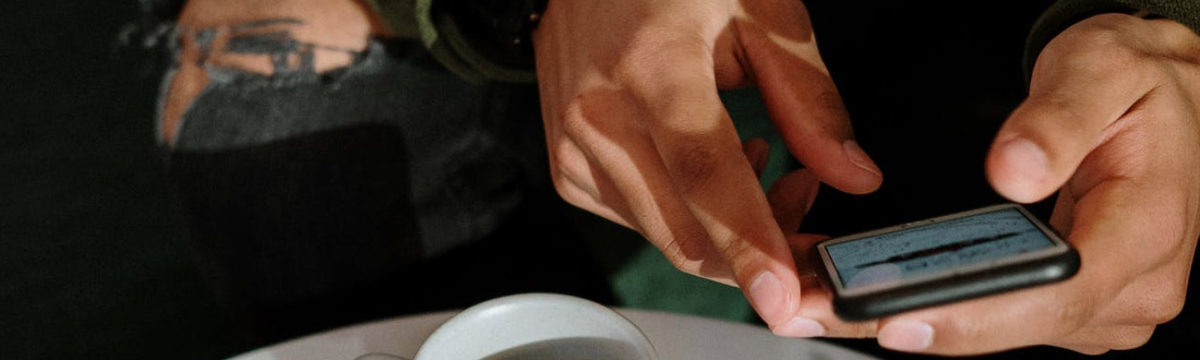
Texting Your Teen Can Actually Help Them

Teenagers, phones, and texting. Sometimes frustrating, right? But, let’s back up and consider a few things developmentally. A generation ago, when people had trouble talking with teens, they were encouraged to try less “socially intense” options. Counselors suggested talking with teens in the car, over an activity, at night when the lights were lower, etc. The idea was it was easier for teens to talk sometimes when the environment was less intense.

As strange as that may sound, it makes sense developmentally. In the teen years, a young person’s not-yet-fully-developed brain is in “gas-on-pedal” mode, navigating a huge amount of growth, learning, and emotion. It can help us, and them, to remember they think differently than adults. Therefore, alternate modes of communication can be helpful and effective.

Anne Rulo Teens & Farmers Encouraging Mental Health News

So, what does this have to do with texting? Think of it as the digital version of talking while not looking directly at each other. As much as we would love face-to-face conversations, we have to remember that these kids are “digital natives.” Their entire existence has been shaped by technology and their brains are literally wired to receive digital communication as real and authentic. So, when you text a supportive message to your teen it feels real, it matters, and this research shows it can decrease the risk of anxiety, depression, and suicidal ideation for young people at risk. Telehealth, virtual counseling, and texts from good ol’ Mom and Dad can all be effective ways to help our teens in the digital age. (See below for more resources.)

Farmers: More Willing to Talk About Mental Health

As we jump from teens to farmers, I could not be more excited about the trends in a recent survey by the American Farm Bureau. Farmers have some unique risk factors for mental health issues and, specifically, suicide. The reasons for this are many. Farmers are part of a cultural narrative that promotes self-sufficiency, masculinity, and “just work harder.” Of course, those ideals are not negative in and of themselves. However, if they are held above reaching out or getting help when needed, it works against them. By nature of their jobs, many farmers are isolated, often working under difficult circumstances that impact their livelihood. Additionally, many also check several high-risk boxes associated with suicide as middle-aged white men with access to firearms.*

*Please note, the point about firearms is not against ownership. But, no matter how you slice it, statistics hold that firearms are how half of all suicides are completed. One of the primary ways to prevent suicide is to create space and time between the suicidal person and access to the means of death. Put simply, farmers are at increased risk simply because, if they find themselves in a mental health crisis, a gun is probably familiar, accessible, and nearby.

Anne Rulo Teens & Farmers Encouraging Mental Health News

Well, gee lady, that all sounded pretty tough. What’s good news? I’m glad you asked. Read this excerpt from this December 2021 American Farm Bureau’s survey:

“Nearly half of rural adults and two in five farmers/farm workers say they are more comfortable talking to their doctor about personal experiences with stress and mental health compared to a year ago. Four in five rural adults (83%) and 92% of farmers/farm workers say they would be comfortable talking about solutions with a friend or family member who is dealing with stress or a mental health condition. And, significantly, the percentage of farmers/farm workers who say they would be comfortable talking to friends and family members has increased 22% since April 2019.”

Here are a couple takeaway points: 1) These incredible, hard-working people are becoming more and more likely to seek help with stress or a mental health condition when needed and 2) they are still usually going to friends and family first. Farmers (and most other populations) are more likely to end up on your doorstep or phone line than mine. Remember how important you are and offer a listening ear if the time comes. Your help is more important than you know.

For farmers, teens, or anyone else who may need help, here is a list of resources you can check out for support:

Photo by Daria Nepriakhina on Unsplash, used with permission
Photo by Jed Owen on Unsplash, used with permission


Love Stands in the Gap

Writing over at The Glorious Table today, exploring this concept from 1 Peter 4:8, “love covers a multitude of sins.” (See the preview below or link here for the full post.)

I appreciate the “love” we give February. It’s such a hard month between the renewal of January and the hope of spring in March. If it weren’t for many of the important celebrations assigned, I fear it would be a dreary twenty-eight days to endure.

Thankfully, Valentine’s Day does fall smack dab in the middle, allowing us the chance to pull ourselves from the gray, cold weather to think about love. Of course, there is the chocolate-heart, celebrate-your-partner, life-sized-bear kind of love. But it’s also a great opportunity to focus on God’s love.

At the risk of sounding cliché, love is the central theme of all God is and does. As we try to live our lives in this tough, broken world, love serves two really important functions: (1) it can guide our decision-making, and (2) it can stand in the gap for sin.

This first function we will touch on only briefly. Listen for the wide net cast by this verse: “And this is my prayer: that your love may abound more and more in knowledge and depth of insight, so that you may be able to discern what is best and may be pure and blameless for the day of Christ” (Phil. 1:9-10 NIV). In short, this verse affirms that love, in its partnership with knowledge and insight, is the only hope we have of knowing the “right” thing to do in this complicated life.

Anne Rulo The Glorious Table Love Stands in the Gap

The second function, which we will explore more thoroughly, is that love stands in the gap for sin. It did so quite literally when Jesus absorbed the penalty for our sin on the cross. And, It does in our human relationships as well. Let’s look at 1 Peter 4:8.

“Above all, love each other deeply, because love covers over a multitude of sins.” (NIV)

“And above all things have fervent love for one another, for “love will cover a multitude of sins.” ( NKJV)

“Above all, maintain an intense love for each other, since love covers a multitude of sins.” (HCSB)

“Above all, maintain constant love for one another, for love covers a multitude of sins.” (NRSV)

Deep. Fervent. Intense. Constant. These are all English translations of the Greek word eketenés, meaning “stretched out” or “earnest” love. What does this kind of love do? It “covers a multitude of sins.” What a powerful concept. Here’s what that might look like in real life.

Their Sin, Our Love: When folks around us are misbehaving, it can be hard to keep our minds, hearts, and spirits on the right track. Love sometimes makes it easier to set those frustrations aside. That’s because when we love people, God allows us to extend grace where our human nature would not necessarily do so. Making the active choice to “stretch out” love to as many people as possible lets us be vehicles of grace, “covering” others in moments of deep brokenness. What a privilege to provide such love.

Our Sin, Their Love: Now, lest you think I am letting us off the hook, we are also the necessary recipients of this fervent love. While we do our best to practice love, we are human, and we will fail. But if we have built relationships consistently on love, the likelihood that this will be transferred back to us in our own mistakes is that much higher. Isn’t it be nice when someone “covers” our sin in love, welcoming us back in grace?

For two more applications and to read the full post, link here.

How to Use the Olympics to Positively Impact Our Kids

I really love the Olympics. But, I will admit that the Olympic experience of my childhood was quite different from what we experience now. As a child, we had to watch the Olympics on the network television schedule. I remember setting aside time to watch the opening ceremonies and pouring over the newspaper to see when they were airing our favorite events. The only information I knew came from the commentary of news anchors and sports experts, giving us the play-by-play as these elite athletes performed.

Like everything else, the Olympics are now available via information overload. While the news anchors and event experts are still present, we also have an endless stream of commentary from our 24/7 access to news, social media, and Uncle Joe’s texted opinion on how that figure skater did. Enter parents, the filter that has to exist to help our kids absorb and understand the messages that are healthy, and reject the ones that aren’t.

If the summer Olympics taught us anything, it’s that there will probably be hurtful statements made about some athletes and overly glorifying statements made about others. In the midst of this, our children are listening. They are wondering if people judge them too. They are wondering if performance is what makes you valuable. They are paying attention to how we react when people “fail.” They are counting on us to help filter and translate the messages that will come through this incredible, world-encompassing event.

As we take in the 2022 Winter Olympics from Beijing this February, here are 20 questions that can help our kids learn, grow, and absorb positive lessons about grit, perseverance, and empathy.

Anne Rulo How to Use the Olympics to Positively Impact Our Kids

20 Questions to Encourage Healthy Perspectives During the Olympics

  1. How much practice do you think it took that athlete to get to the Olympics?
  2. How do you think they stay calm and focused when they compete?
  3. What thoughts do they have about themselves if they don’t win?
  4. That athlete has had some injuries over the years. How do you think they kept going toward their goal?
  5. Do you like how that coach is treating their athlete? Why or why not?
  6. Is that athlete still important even if they don’t win?
  7. What do you think it is like for that athlete to be the only person from their country/of color in their event/speaking that language at the Olympics?
  8. What do you think it is like for these athletes when people criticize them on social media?
  9. What do you think these people will do when they are done being competitive athletes?
  10. How do you think these athletes can use their platform to be good leaders in their communities?
  11. When you are competing in something, how do you like for people to respond when you do well? When you don’t do as well as you wanted?
  12. Do you see any examples of good sportsmanship? What about poor sportsmanship?
  13. How do you think these athletes find ways to be good at their sport but also have friendships, rest, get an education, etc.?
  14. What positive message could an athlete tell themselves about being at the Olympics, regardless of whether or not they get a medal?
  15. How do you think that athlete’s family feels about them?
  16. Besides training, how do you think this athlete prepares to compete? (rest, eating nourishing food, sleep, etc.)
  17. How do you think these athletes define success?
  18. What challenges do you think these athletes have had to overcome to get to this point?
  19. How do you think these athletes kept going when it wasn’t “fun”?
  20. What have you learned about a different culture through watching the Olympics?

Of course, we don’t know any of the “right” answers for any of these elite athletes. But, we can gain a lot from listening to how our children answer the questions because they answer from the only perspective they know…their own. Listen for ways that our children think about themselves and others. Listen for the pressures they feel and the ways they cope. And, listen for the ways they struggle. All of these questions are aimed at giving you information about how your child thinks about hard work, perseverance, empathy, and the value of themselves and other people. May your conversations be blessed as we continue to guide our children at every opportunity.

Photo by Vytautas Dranginis on Unsplash, used with permission

What is Seasonal Affective Disorder (SAD)?

Writing over at Partners in Prevention about the “winter blues.” See below for a preview or link here for the full post.

Hello January with your cold, long days and less light than we are used to. Are you over yet?!

Anne Rulo what is seasonal affective disorder partners in prevention

Many people start the calendar year with a lot of hope for a fresh start, only to hit what feels like quicksand when it comes to motivation and activity. You may have heard the mental health term, “seasonal affective disorder” or “SAD” mentioned as a possible culprit. So, what is SAD? How and why does it affect people? Can it be to blame for a lack of energy, motivation, and soured mood? Let’s check it out.

What is Seasonal Affective Disorder (SAD)?

SAD is a mental health diagnosis referring to seasonally-affected symptoms of depression. These symptoms may include feeling down when there is less daylight, loss of interest/enjoyment, sleep difficulties, low energy, “moodiness” or irritability, difficulty concentrating, or even thoughts of suicide. The “overs” are also common with SAD, overeating, oversleeping, and over-isolation.

SAD, as a formal diagnosis, affects only a small percentage of the population. But, like many mental health disorders, less severe forms can affect many more people who may find themselves wondering why they feel differently during the late fall and winter months.

What Causes SAD?

The science behind SAD is not completely clear, despite decades of research. It is interesting to note that the number of people who struggle with SAD increases the further away they live from the equator. This correlates with findings that SAD symptoms are tied to the amount of sunlight we get in a day. Additionally, shortened daylight hours are known to affect two different hormones, melatonin and serotonin. Melatonin is a hormone that affects our sleep-wake patterns, while serotonin is a neurotransmitter tied to our mood. While none of the research is conclusive, the winter changes in daylight seem to change the way our body experiences these two hormones, thus affecting our mood and sleep patterns.

Anne Rulo what is seasonal affective disorder partners in prevention

There is also a biological tie that appears to exist between SAD and those who already suffer from other mental health disorders such as bipolar disorder and depression. Those who are already having a difficult time may be more susceptible to the factors that influence SAD. It is also more likely to affect women than men.

Recommendations for Treating SAD

To finish reading about treatment suggestions, link to the full post here.

New Year, Old You?

Writing over at Partners in Prevention today! Pursuing improvement is a wonderful goal, but don’t let that shame the old you who went through so much to get there. See below for a preview or link here for the full post.

This first month of the year can bring such hope for a fresh start. Maybe you are hoping for a new health routine, a reset on your financial goals, maybe it’s a new approach to self-care or relationships. Perhaps it is that long-awaited goal on the horizon but, you know it’s going to take some very hard work and discipline to get there.

So, if you are going to start out the new year with these kinds of goals, it’s going to require a new you, right?

Well, not exactly.

The accomplishment of any change we ever make in life is a culmination of all the experiences, successes, and “failures” that got us there. With each year, each season of our lives, we gather information that helps shape our priorities and set goals for the future. Yes, the new self is great but, our old self went through some really important things to get there, and she doesn’t just want to exist in shame. So, as a way of reconciling old experiences with your new, desired changes, let’s consider a few examples:

Anne Rulo Partners in Prevention New Year Old You

For those aiming for a new health routine, bravo! It’s such a worthy goal to take care of the one body you’ve been given. However, rather than shaming the old you who was not as fit or healthy as you desired, remember all you accomplished during those years when stress, sickness, or obligations took you away from exercising or eating as you desired.

For those pushing reset on your financial goals, great! It is such a smart idea to figure out a budget and stick to it. But rather than criticizing the old less-savvy you, remember how you bravely went to school, started that lower-paying entry-level job, or bought the transportation you desperately needed (but maybe couldn’t quite afford) to get to and from work. You know better now so you’ll do better but, consider compassion toward those other choices that brought you where you are today.

For those hoping to change their social interaction patterns and/or relationships, fantastic! Healthy interpersonal skills are a huge part of a satisfying life experience. But remember that whatever patterns you are trying to change were probably picked up at some point because they made sense then. They kept you safe, they played the game you had to play, they were all you knew. Be patient with your old self, you’re learning something you’ve never known before.

To finish the full post link here.

A Messy Road Isn’t Always a Wrong Road

Writing over at The Glorious Table today! Read on for a preview below or link to the full post here.

In the spirit of transparency, I want to tell you upfront that this will likely be the most disgusting devotional you have ever read. That said, I hope it will also encourage you in those “messy” spots in life. After all, isn’t the messy where Jesus does his best stuff sometimes? Let’s dive in.

In my very first adult job, I worked with a man named Ed. Our job required a lot of time on the road, so he and I shared a lot of stories. Some of them I remember. Many I’ve forgotten. But this is one I will never, ever forget.

Ed was a big guy, well over six feet tall, broad-shouldered, bald on top with a finely trimmed, snow-white goatee. He was a kind man with a big laugh, and he loved to ride motorcycles. It was definitely an intimidating sight at times as he donned his leather jacket, bandana, and helmet and left work on his huge, loud motorcycle.

During one of our long car trips, Ed told me about a time when he rode his motorcycle through the Black Hills of South Dakota. He said he was cruising along, enjoying the beauty when he passed some roadkill. Of course, seeing occasional roadkill is not an unusual experience for a motorcyclist. But the roadkill was not the only thing there that day. There was also a vulture. And, as Ed approached, that big ol’ vulture got startled mid-meal, tried to take off across the road, and collided directly with Ed’s chest.

Anne Rulo A Messy Road Isn't Always a Wrong Road The Glorious Table

At this, Ed found himself hurtling down the highway at sixty miles per hour as the vulture began to defend itself. Its first strategy (which I found horrifying) was attempting to peck out Ed’s eyes through his motorcycle visor. However, it was strategy number two that really got me. Anybody know what a vulture’s primary self-defense mechanism is? Vomit. That’s right. When vultures are startled or upset, they will throw up (as far as ten feet!) on anything bothering them. That’s just what this vulture did. It threw up roadkill all over Ed right there in the Black Hills. He said it was the most disgusting thing that’s ever happened to him.

Every time I think about that story, it makes me think about Jonah, who also experienced a little animal vomit, albeit from the belly of a large fish and not a vulture. Just as a refresher, Jonah’s story is found in the book by the same name, just shy of halfway through the Old Testament. As the story opens, God calls Jonah to travel to Nineveh and prophesy to the people there. Jonah is not thrilled with the assignment (or the inherent value of the Ninevites) and chooses to sail elsewhere. God churns up a big storm, Jonah recognizes he’s the cause, and he ends up with a return ticket via the belly of the fish. This is the scene as he gets dropped off:

“And the Lord commanded the fish, and it vomited Jonah onto dry land.” (Jonah 2:10 NIV)

When we study Jonah’s story, often we focus on his rebellion or repentance. What we sometimes miss is the in-between space. Even when Jonah recognized his problem and started heading back in the right direction, it was unpleasant for a while. His repentance and steps back toward God did not result in immediate peace, comfort, and ease. In fact, if I were Jonah, I’m not sure I could discern that being vomited out onto a beach was affirmation that I was headed in the right direction

This kind of mess and lack of assurance sometimes repeats itself in our journeys as well….

To finish reading the full post link here.

Photo by Damien DUFOUR Photographie on Unsplash, used with permission

What If Self-Care Is For Others?

There’s an interesting trend I’ve noticed over the last several years, specifically relating to the validity and importance of self-care. Of course, there is a wealth of information about self-care in our media, social feeds, mental health services, etc. However, there has also been some increasing volume against self-care, particularly in some of my faith-based circles. So, what’s going on?

Well, one influence is that many things are polarized right now. We don’t hang out in the gray much, we’re either for or against things, particularly online. That unhappy social trend aside, it seems the main frustration is with the word/focus on “self.” Especially in faith and service, our job is to “deny thyself and take up our cross” (Matt. 16:24) “be more blessed to give than receive” (Acts 20:35) “not looking to your own interests but to the interests of others” (Phil. 2:4) “do not use your freedom to indulge the flesh; rather, serve one another” (Gal. 5:13) and many, many more. As a Christ-follower I get it and, I’m with you. Our job, as people of faith, is to serve others for His glory.

AND (here’s where that non-polarized, gray-area, contextual-whole-picture-thing comes in). Self-care can be (and I would suggest is) a valuable part of faith that can actually contribute, rather than diminish, our ability to serve others. Here’s a minor snapshot from my own regular, daily life…

This summer we were gifted a trampoline from some friends. Being the mother of a (very) pale red-headed daughter, I put that trampoline in the middle of three trees, hoping the shade would protect her skin as much as possible. Fast forward to a cold, fall, rainy day and there my kids are, jumping with delight in all the leaves that have now fallen in our trampoline, crushing them into smaller and smaller wet, sticky pieces with each bounce. Unaware of their condition, I was on the phone with my sister when they ran through the house, dropping gooey minuscule leaf pieces everywhere they went.

Anne Rulo What if Self-Care is for Others?

There were exactly two reasons I didn’t lose my stuff that day as they created a “celebration of fall” through nearly every room: 1) It’s not cool to holler at your kids when you’re on the phone and 2) earlier that day I had engaged in several practices specific to my design as God’s kid that filled me up to pour out to my wet, Loch Ness monster-ed children. Here’s what those practices looked like.

  • Went for a walk because exercise blesses our bodies, nature restores me, and I’m an introvert. Silence increases my capacity to serve.
  • The hubs had helped me clean so the leaves weren’t falling on toys or in piles of clothes but rather, just on the carpet. Easier cleanup, less frustration, all because I had asked for help the day before rather than trying to be super Suzy servant.
  • I’d had time in the Word (did you know that is self-care?!) that helped me center myself and recognize the moment to love and laugh with my kids rather than focus on the mess.

As I processed the scene with my husband that night, I reflected on how much the “self-care” earlier that day had helped contribute to a positive response (because let’s be honest, it doesn’t always go that way). Self-care does serve the self, yes, but that’s okay. That “self” is God’s kid, “created in Christ Jesus to do good works, which God prepared in advance for us to do” (Eph. 2:10). And, we can’t do those works very well if we are constantly working against our design. In our limited human ability, we will (and often do) burn out not because we are serving too much but because we are serving without fuel. Fuel that can come through self-care practices.

So, if you need to rename it or reframe it (self-other-care? serve-care?) go right ahead. But, don’t stop taking care of the “self” God created. If Jesus took time away to pray, nap, sleep, and have quality alone time with friends while living out the purpose for which God made Him, that’s a good model for us too. When self-care is aimed at filling us up in Him so we can pour out, it is not only self-serving⁠—it is others-focused too. The way it’s designed to be.

May we take good, good care of ourselves for the purpose of taking good, good care of God’s people (including you 😉 )

In 2021 You Were Enough: A Self-Compassionate Reflection Exercise

Despite the varied opinions on the effectiveness of New Year’s resolutions, I must admit I really enjoy them. For years, my husband and I have spent New Year’s Eve reflecting on the year past and talking through dreams for the one ahead. We set goals, choose a “word of the year”, and do quizzes about our priorities. We are New Year’s geeks.

Anne Rulo In 2021 You Were Enough: A Self-Compassionate Reflection Exercise

In addition to self-reflection, I also enjoy hearing about other people’s resolutions. I think it is a neat “snapshot” way to hear someone’s priorities and get to know their heart a bit better. On an amusing note, I also tend to find myself giggling because most New Year’s goals come out sounding like some version of the Seven Dwarfs. “In 2022 I am going to be Happy and get more Sleepy and be less Grumpy, less Dopey, less Bashful, and less Sneezy because I am going to the Doc!” My dwarf for 2022 is Hippie. She plans to chill in her new country surroundings, wear funky glasses, and write a lot.

For many, New Year’s resolutions are made in a lighthearted and good-natured way. However, for others, reflection over the previous year and goal setting quickly disintegrate into an exercise in criticizing how we weren’t “enough.” You will recognize the “not enough” voice if you hear it this New Year because you probably heard it other days as well.

The “not enough” voice shows up on Sunday nights and Monday mornings creating panic for the week ahead, only to reappear at the end of the week to remind you what you didn’t accomplish. It’s the voice that minimizes progress and amplifies setbacks, drives insecurity and self-doubt, and tells you again and again you weren’t a good enough parent, spouse, friend, co-worker, or lover of Jesus. In short, it’s the voice of shame and if it’s extra loud here at the end of the year we would all do well to take this opportunity to say, “Zip it!”

The reality is that most people do the best they can with what they have. We want to do well and on many days we are probably doing better than we are willing to admit. When our New Year’s reflections become laser-focused on what we didn’t do “right” we forget to recognize what we overcame, stressors we faced, and the surviving that we did. The day-in-day-out grind of life creates challenges that sometimes fade when we are looking at the entire picture. Life is hard folks. And for some, 2021 was very, very hard…and, you made it.

So, as you head into your time of reflection this year please remember to be kind to yourself. Acknowledge all of your incredible accomplishments. Celebrate the days you conquered the world and the days you just made it out of bed. Find value in the big steps and the baby steps and know each one is part of a great big journey of becoming who God designed you to be. You were enough this year.

Please feel free to use/screenshot the below infographic to help guide you and yours through 2021 reflections in a self-compassionate way.

Anne Rulo In 2021 You Were Enough: A Self-Compassionate Reflection Exercise

Plant with Hope

Writing over at The Glorious Table today! I finally got into gardening just a little this year. Loved what that stirred up about God working hard out of our sight. Read below for a preview or link to the full post here.

I am now in my forties. For many years, I said that while my “ideal self” gardened, my real self never did. I’m not sure exactly what held me up. A few moves, worries about critters eating stuff, and probably more than a little intimidation fueled by inexperience. But this year, I finally did it. Not a full garden, but one tomato plant, one strawberry plant, and a pretty little shade garden I am excessively proud of.

I guess gardening is like a lot of other things that are initially intimidating. Once you try it and enjoy it, you want to do it more. Enter the lesson of the Japanese maple, the recent gardening project that reminded me about one of God’s more interesting (and challenging) strategies for our growth.

a hand holding a red Japanese maple leaf

You see, in addition to the shade garden I planted, there was another overgrown garden space established by previous residents. Reminiscent of Frances Hodgson Burnett’s “The Secret Garden”, you could see that it used to be beautiful but was overgrown with weeds after years of neglect. After a bit of thought and research, I decided it would be the perfect spot to plant a Japanese maple. But in my ignorance, I figured I would need to wait until the spring to plant it. After all, isn’t that when you plant stuff? When it’s prime time for sunshine, rain, and immediate growth?

Turns out Japanese maples are best planted in the late fall, specifically about a month before the ground freezes. Then you just have to ride out the winter in the hope that what is happening out of sight is preparing it for growth and beauty. Gosh, doesn’t that sound familiar?

I really don’t mean to be over-spiritualizing this, but after 25 years of walking with the Lord, I have seen this pattern repeating itself. God sometimes has a way of planting stuff just as it gets cold, harsh, and dark. And then, he works all kinds of magic “underground” to help us emerge strong, healthy, and vibrant in another season. So in the spirit of celebration, I want to share just a few examples here…

To read these examples and the remainder of the full post, link here.

Managing Media Intake and Mental Health

Reading the news can be helpful and it can be toxic. Thanks to Missouri Partners in Prevention for the privilege of providing a few quick tips to help protect our mental health while reading the news. See the preview below or link to the full article here.

While the news is always a somewhat tricky thing to navigate, there are currently some particularly difficult stories. With regard to ongoing concerns, the emergence of new COVID-19 variants is creating uncomfortable unknowns. And, more acutely, the Ghislaine Maxwell and Duggar trials along with the escalating humanitarian crisis in Afghanistan can serve as triggers for our pain points, trauma, and mental well-being.

What’s interesting about the media is that it is important to know what is going on in our world. Foreign crises may be just as much in our interest as virus concerns on our home soil. But, with everything and everywhere there is to read, how are we supposed to manage our mental health and the day-to-day limited human capacity for engagement? Here are some suggestions.

Suggestions for Managing Media Intake & Mental Health

  1. Remember that media is a business. While we continue to hope for a world of unbiased journalism, it is still the job of news companies to make money. Whoever can create the most eye-catching (or anxiety-raising) headline is more likely to get the clicks and reads that generate the revenue. Keep the intent of headlines in mind when you are scrolling, it can help keep your perspective and anxiety in check if something sounds especially alarming. It may or may not be.
  2. Know what topics may activate trauma for you. We mentioned the Ghislaine Maxwell and Duggar trials specifically because they are tied to manipulation and sexual abuse. If these topics are a trigger for you, don’t read them. Everyone has difficult pieces of their story that can be activated by headlines and/or sound bites. There is no reason to be fully informed on situations that may inhibit your healing journey.

For two more tips and the full post see Partners in Prevention here.