One Word 2025: Healthy (But Not Like You’d Think)

If choosing “one word” for the New Year seems cliche, choosing the word “healthy” might be even more so. But, while it is the word I feel like I was given, the concept is much more holistic. Here’s what being “healthy” this coming year means…

Anne Rulo One Word 2025 Healthy

  • I’m going to make a dentist appointment. Why has everyone else in my family been to the dentist? Because Moms sometimes choose unnecessary self-sacrifice. Then, three years later, we look around and say, “Why haven’t I been to the dentist?”

  • Redefining what feels indulgent. Working out, reading a book, taking a walk, going to bed before my kids, showering…all things that I put off far too often for other things that “seem” more important. Hello self, it is more than okay to stop, shower, care for your physical health, and get a full night’s sleep.

  • Doing less to do more. I am not a high-energy person. Never have been. But, while my kids are at school I sometimes push myself to get “just one more thing done” because it seems like that’s what I should be doing when I have “free” time. Turns out, all that does is drain me for the time they are home. The plan is to pause more often so I can be more present with them.

  • Feed my kids more frequently. I know this may sound strange but we are not “meal” people. This is partly because I dislike cooking but partly because our schedules are wonky. Being more of a “continual grazing” family will hopefully align better with our busy schedules, the children’s quickly growing bodies, their lightening metabolism, and take pressure off “meals.”

  • Prioritize connection. Sometimes I don’t call folks because I feel like I “should” get to the to-do list or, worse, get to the “end of the list.” Turns out, there’s no such place. Tasks will always be there. People won’t.

  • Prioritize personal writing. Whew, this one is shaky but I am hopeful. Because these are my deadlines and not someone else’s, I put personal projects off until nearly everything else is done. Thus, these projects lag and lag, not getting done for my own satisfaction or published for readers for their encouragement.

To close, I would like to extend a thank you to Clarissa Pinkola Estés, whose following quote served as a touchstone in the journey to this year’s direction…

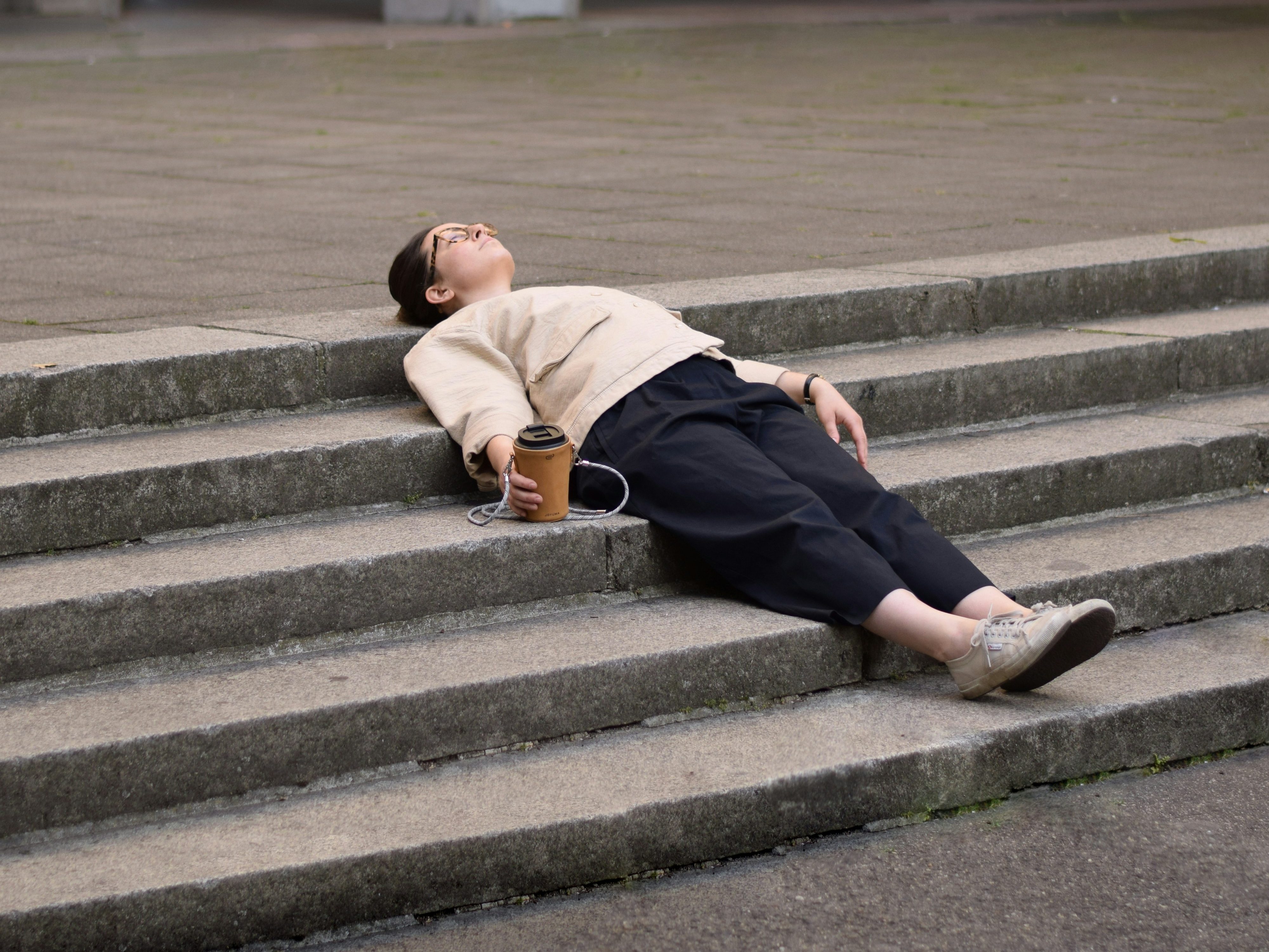
I’ve seen women insist on cleaning everything in the house before they could sit down to write… and you know it’s a funny thing about housecleaning… it never comes to an end. Perfect way to stop a woman. A woman must be careful to not allow over-responsibility (or over-respectabilty) to steal her necessary creative rests, riffs, and raptures. She simply must put her foot down and say no to half of what she believes she “should” be doing. Art is not meant to be created in stolen moments only.

Art, like life, is not meant to exist only in stolen moments. Hopefully being “healthy” in these ways will help turn any unhealthy patterns inside out.

Blessings on your own adventures in 2025!


Previous “One Words”

And, just for my own sake (and in case you’re curious!) below are my “one words” from years past. It is interesting to see what they were in that season and how they’ve played out over the years.

(2019) Kindness. I believe this was my first one. And, I think I chose it because my kids were 7 and 4, kinda’ driving me bonkers.

(2020) Enjoy. The irony of seeing this printed on my desk throughout the pandemic was obvious. Also, it fit. I don’t know if ever before or ever since we will have the chance to pause and enjoy one another as we did that year.

(2021) I have no idea. I’m telling you this because I continue to work on perfectionism and it is humbling that I can’t remember. We moved. We survived. I’m counting that as a win.

(2022) Simplify. I’ve learned that picking “one word” and applying it takes practice, just like anything else. Last year was the first time I took action steps, intentionally “simplifying” what I gave my energy to and how many things I allowed myself to consider “doable” in a day. It was wonderful and effective. That is until I forgot for a bit in the fall and overbooked myself. Oh well, I’m glad for the guidance at least most of the year.

(2023) Chill Out/Free. This one was such a struggle. Sometimes discerning the word for the year comes easily and sometimes it doesn’t. But, once it finally did, it was such a relief. This was a year where things (finally) felt consistent and fear-free for the first time in a long, long time.

(2024) Focus. While I always strive to remember that I am a limited human, my ambition sometimes clouds that truth. Leading into 2024, I had a few experiences that told me I was trying to be too much, do too much, and thus, not being particularly effective at anything. It has been a joy this past year to live a more “limited” existence, moving more slowly, and intentionally doing only one thing at a time.

For more of Anne’s mental health and faith content check out her blog, Bible studies, and speaking engagements!

Photo by Paico Oficial on Unsplash

Why It’s Hard to Say We’re Wrong

The other day I called my husband and my Mom answered. This was very strange since he was at work and we live over 150 miles from her. My internal dialogue, when she answered, was as follows:

“Why is Mom there?”
“Wait, no. The phone company must have mixed up my close contacts.”
“Ohhh, maybe I dialed the wrong number.”

That’s right. Not until the third try did I possibly consider that my Mom had neither traveled for hours without my knowledge to hang out with my husband at work nor had the cell towers conflated my contacts. And, while I wish this were the only example…

Later that same day, I went to pick up my son from archery practice. When he didn’t come out right away it began again:

“That’s weird, he’s usually out here early.”
“Huh, all the other kids are coming and going. He must have had to stay.”
(teacher starts walking towards my car…) “Hi, Caleb has archery for the next hour.”

“Ohhh. I’m an hour early.”

Anne Rulo Why It's Psychologically Hard to Say We're Wrong

10 Reasons It’s Psychologically Hard to Say We’re Wrong

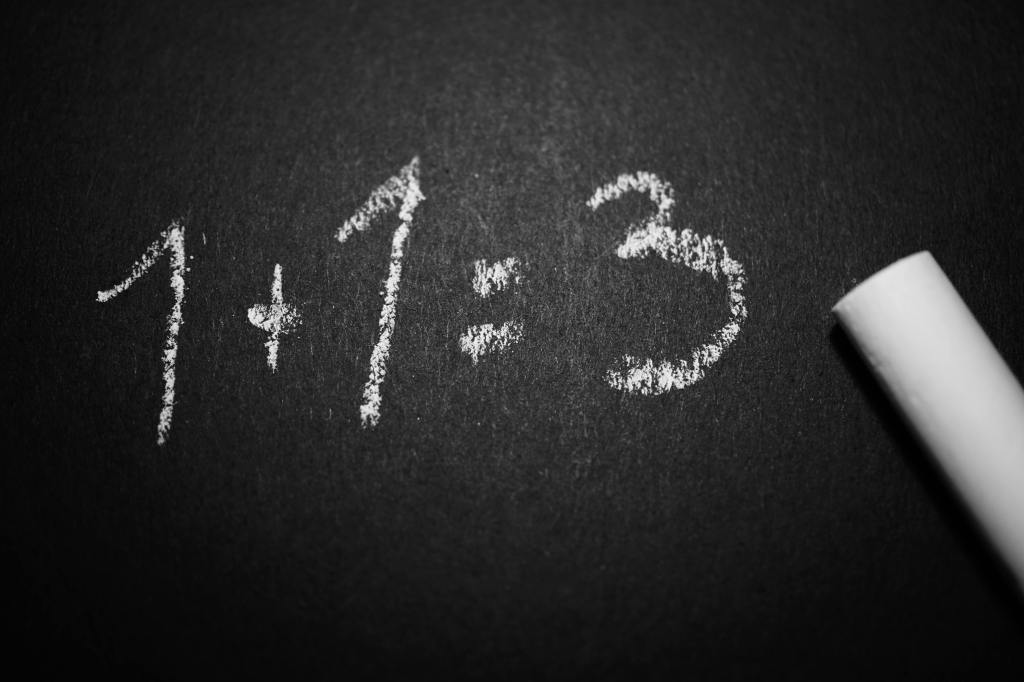
While these are (very) silly examples. It’s a good illustration of how hard it is for our brains to shift when we are “certain” we are right. Even when facts that should change our minds are right in front of us, it can be hard to switch. I hope my own ridiculous day of miscues can remind us of the following:

  1. Considering being wrong requires intentionality.
  2. Considering being wrong requires practice.
  3. Our brains will try to convince us we are right unless we are willing to consider evidence that suggests otherwise.
  4. While pride may be a reason we don’t want to believe we are wrong, there are psychological hurdles even before that we have to overcome.
  5. One reason these hurdles exist is because habitual thinking is how our brains are wired.
  6. Additionally, it just feels better psychologically and emotionally to consider confirming, rather than disconfirming, information.
  7. We are in danger of staying wrong if we create unhealthy echo chambers.
  8. Because of how much effort it takes our brains to consider we might be wrong, when things aren’t adding up we may need to say out loud, “Are there other options I’m not considering?”
  9. Being able to consider that we may be wrong and/or compromise is essential to healthy relationships.
  10. If you discover you are wrong, or someone else recognizes they are wrong, receive this with gentleness and compassion so the process becomes welcome, rather than psychologically “scary.”

Remember, we are all human, flawed creatures. This means sometimes we aren’t going to have all the information, misunderstand, or just plain make a mistake.

May we all enhance our ability to consider we may be wrong and/or receive the mistakes of others with grace. It sure does sound like a gentler, more compassionate way forward.

Photo by George Becker, used with permission.

3 Simple Mental Health Strategies for the Winter Months

Anne Rulo Partners in Prevention 3 Simple Mental Health Strategies for the Winter Months

Winter days often roll out like the rest of the year, a mix of good and difficult times, positive and challenging experiences, moments of motivation, and moments of relaxation. However, what can make the experience of winter more difficult for our mental and emotional health is the expectation or anticipation we tend to hold around the holidays, the physical experience of cold temperatures and additional dark hours, along with the added busyness, socializing, changes to routine, etc.

So, because we know that these days can be an extra challenge to our mental and emotional health, below are some activities that can help give us a little extra care and attention as needed.

Your Mind as a Snow Globe

This one is really beautiful and a nice compliment to the season. Envision your mind as a snow globe. When shaken, everything is swirling around and it is difficult to clearly see the scene inside. Remind yourself that the swirling will settle down more quickly if you do. Still yourself and, in your mind’s eye, pick out one snowflake and watch as it slows and eventually settles on the ground. Do this as many times as it takes to feel more calm. Additionally, remember that a busy, snowy season is just that, only a season. The below video is a beautiful visual of how things will always change with time.

Morning Sunshine

It can be so much harder to get outside and get the vitamin D we need for our best physical, mental, and emotional health during the winter months. There is some incredible research highlighting the importance of exposing ourselves to morning sunshine first thing when we wake up to get our circadian rhythm, hormones related to mood and sleep, etc. moving in the right pattern and direction. If you can, throw a big coat or blanket over your pajamas and get a few minutes or, even if you are not outside, drink your coffee in front of a window, looking outside. If you are interested in more of this information about morning light, check out this video from Stanford professor, Dr. Andrew Huberman.

To finish reading about the third tip, “Embrace the Dark Hours” please see the full post with Partners in Prevention here!

Mental Health & Chicken Pot Pie

One of the handful of meals I make is chicken pot pie. On Wednesdays. Always. So, thus it was, on December 12th, 2018 I was making just such a pie, pulling it out of the oven to feed my children — when this happened.

In a move I’ve executed countless times (because for real, always chicken pot pie on Wednesdays) I grabbed that dish with its bubbling golden crust — and missed. Or more accurately, hit. I caught the edge of the dish on the edge of the stove top causing the entire thing to flip violently out of my hand where it came to rest upside down, half on the inside of the oven, half on the open door.

Anne Rulo Mental Health & Chicken Pot Pie

It was AWFUL. Chicken pot pie goo went everywhere. Inside the (still 400° oven), on the door seeping into the viewing window, dripping through the crack into the broiler drawer and onto the floor below. I stared at the decimated pie, my children stared at me. Now what?

The only option I had was to clean, obviously. But this was such a complicated and invasive mess that I had to disassemble the oven. It’s amazing how many pieces, crevices and screws there are to an oven, particularly an oven as old as this one. It took a long time, a lot of elbow grease, a few tears and a LOT of patience but eventually, it all finally got clean and reassembled.

I’ve thought a lot about that experience since 2018. At least once a week on Wednesdays for sure. In fact, it has become somewhat of a parable in my life for what to do when things get messy or need some attention. And, it is a beautiful analogy for mental wellness practices or even attending therapy. So, to that end (and because I love to make meaning out of disasters) here is how chicken pot pie and therapy go together. Enjoy.

  • If there is a mess in your life you can ignore it, but it will not clean itself. Fair warning, if left for too long, it may start to stink up the place.
  • It doesn’t matter if you do the work yourself, YouTube some help or hire a professional. Just start the work.
  • Attending to messes is hard. Often harder than we think. It usually requires more strength and time than we anticipate. You may need chemicals.
  • You are welcome to just clean up the obvious surface issues. That will help. However, you will ultimately feel better if you are willing to take a few things apart and see how far the mess really goes.
  • If you do take things apart, you will probably find more goo than you thought was there. This is okay. It doesn’t mean you are extra messed up. It means you are brave. Be willing to clean that stuff up too.
  • When you are disassembling, you will probably reach a point where things feel so torn up that you don’t know how they will ever come back together again. Stay the course. They will come back together. It just takes time.
  • Once you have done the hard work, reassembled and recovered, you will probably find yourself plus or minus a screw or two. No one knows why or where these go. It will make you realize that everyone is a few screws off. Realizing this will let you love yourself and others better, and with more grace.
  • Facing the challenge of working through one mess does not exempt you from future messes. The next one might be a pizza or a casserole, but rest assured, as long as we keep living messes will happen. The point is to keep cooking, enjoy the dishes that come out well and clean up the ones that don’t.

Be brave fellow soldiers. This life is a messy, delicious, crazy experiment and occasionally we are going to have some spills. Remember, no oven is too old or too messy to work on as long as it still functions. You’re so, so worth it.